GPT Intune Device Troubleshooter: AI-Powered Admin Help
Explore an AI-assisted Intune troubleshooting tool using Microsoft Graph. Review setup, available actions and permissions before allowing changes to devices.
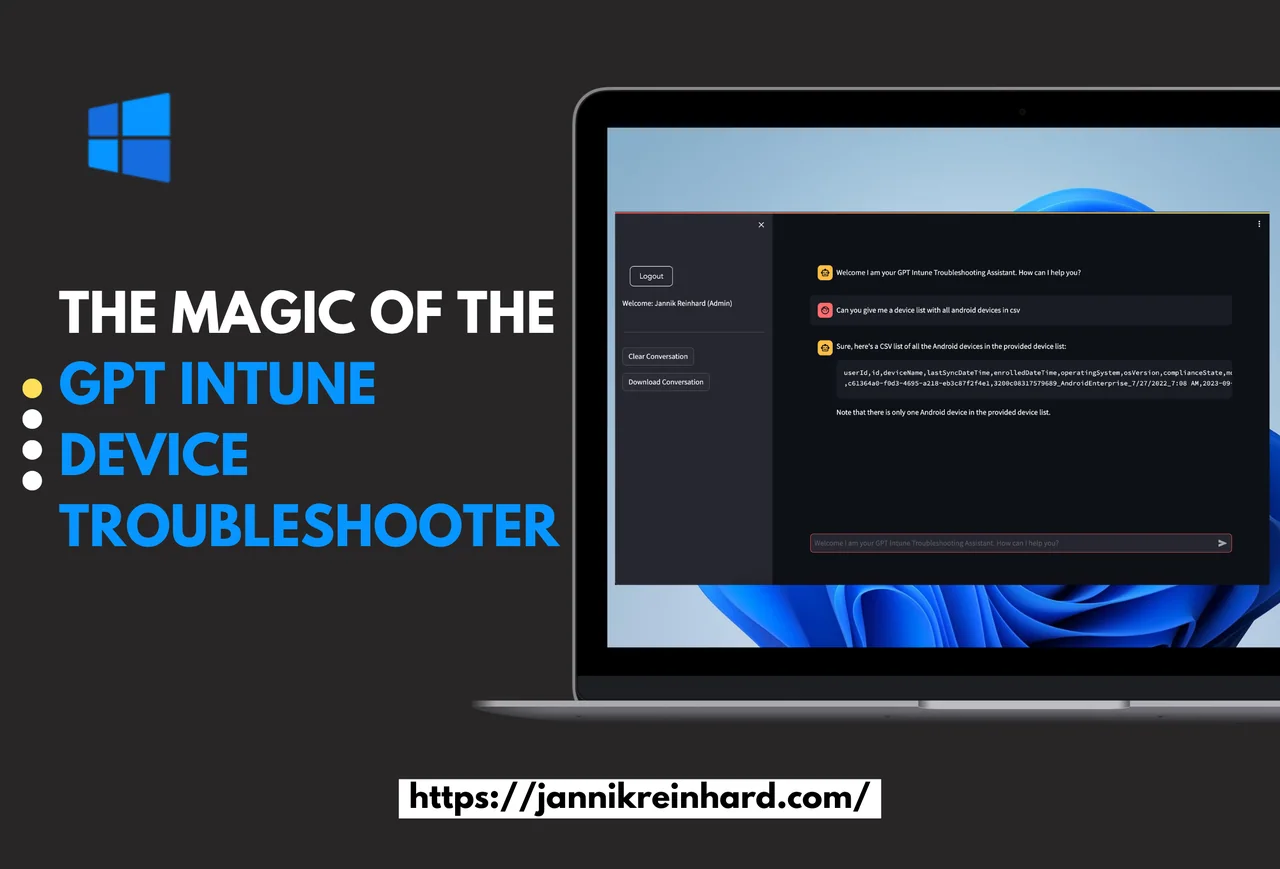
I am more than happy to release my new tool the GPT Intune Device Troubleshooter. Wouldn’t it be awesome if you had an assistant to whom you could explain what you want to do in Intune, and they would do the job for you? This dream will now become reality with the GPT Intune Device Troubleshooter. If you enjoy my other Intune automation projects on my blog, you will love how this assistant fits right into your daily workflow.
Content
- Content
- What is the GPT Intune Device Troubleshooter
- What are the prerequisites
- How does it work
- Get access to Open AI Service
- How it the data privacy when I use the Azure Open AI service
- How to deploy the GPT Intune Device Troubleshooter
- What is the current feature sets and what are example calls
- How to create the app registration
- Post setup steps
- How to open the Webpage
- How does the Tool work
- How you can contribute?
- How does the roadmap look like?
What is the GPT Intune Device Troubleshooter
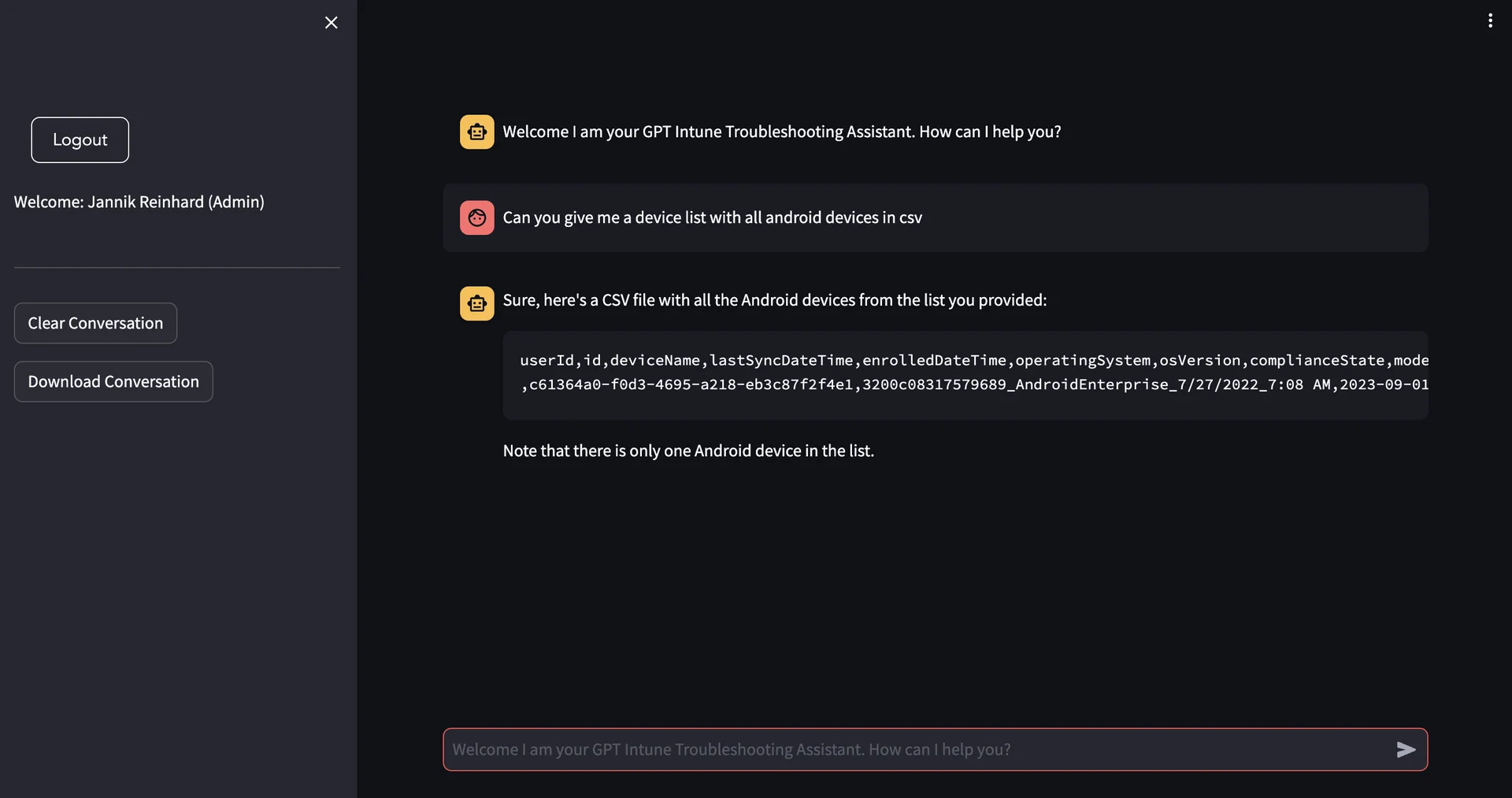
The GPT Intune Device Troubleshooter is a powerful tool which helps Intune admins make their day easier. It answers your free-text questions based on your environment, utilizing the Graph API. You can ask questions like “Can you check the status of the device XXXX” or “Can you give me a device list with all Android devices in CSV” and you will get the customized answer to your question. In short, the GPT Intune Device Troubleshooter turns natural language into real Graph queries so you spend less time clicking through portals.
What are the prerequisites
- GPT enabled Subscription
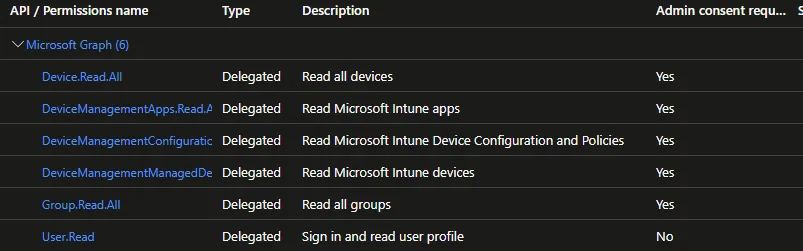
- App registration with delegated permissions for (DeviceManagementConfiguration.Read.All, DeviceManagementManagedDevices.Read.All, DeviceManagementApps.Read.All, User.Read)
How does the GPT Intune Device Troubleshooter work
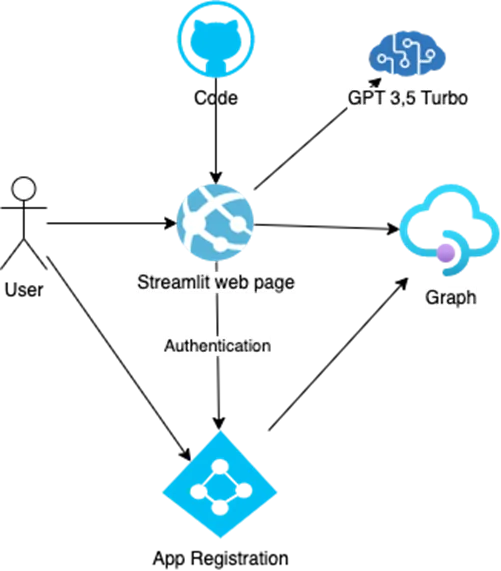
- You can deploy the infrastructure with one click from GitHub to Azure
- The code will be pulled to the app service
- The user opens the Streamlit web page
- The user authenticates via an app registration with delegated permissions for Graph
- This token will be used to get data from Graph and put it into a prompt
- This prompt with the question and enriched information will be sent to the Open AI service
- The answer will be presented on the Streamlit web page

Get access to Open AI Service
Fill out the following request form to enable your subscription to deploy Open AI services.
How it the data privacy when I use the Azure Open AI service
You can find more information about privacy in this MS doc.
How to deploy the GPT Intune Device Troubleshooter
You don’t have to do much. The whole magic of the GPT Intune Device Troubleshooter is behind this button.
But you can also deploy the infrastructure and the code manually via my GitHub repository.
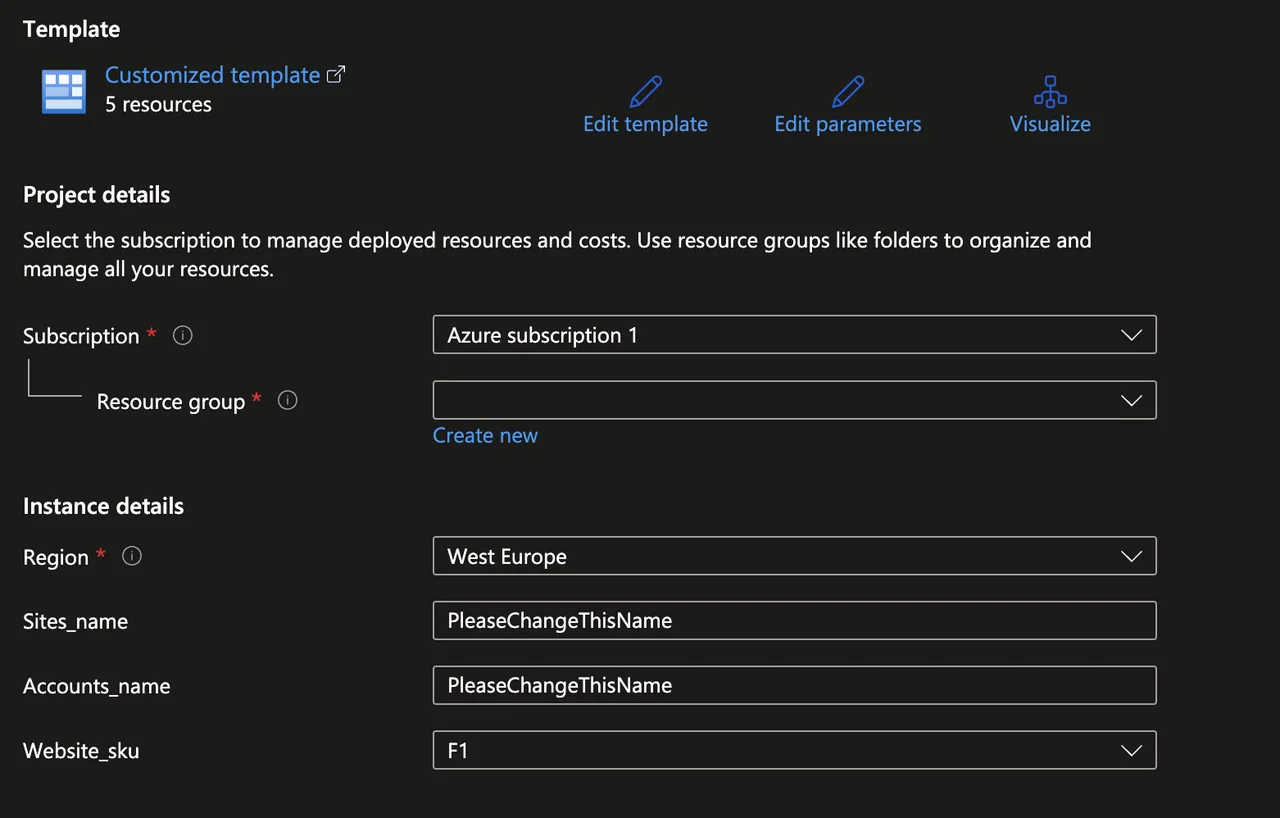
- Select the subscription and the resource group
- Select the region and the Website sku
- Enter a name for the site and the Open AI service account
What is the current feature sets and what are example calls
Currently the following features are supported:
- Get Device List
- Get Device Status
- Get Single Device
- Intune How To
- Config Profiles
- App List
- Compliance Policies
- Device Group Membership
- Graph Call
Examples are:
- Can you give me a device list with all android devices in csv
- Can you check the status of the device XXXXX
- Can you check the status of the device XXXX and list the object which has conflict or have errors
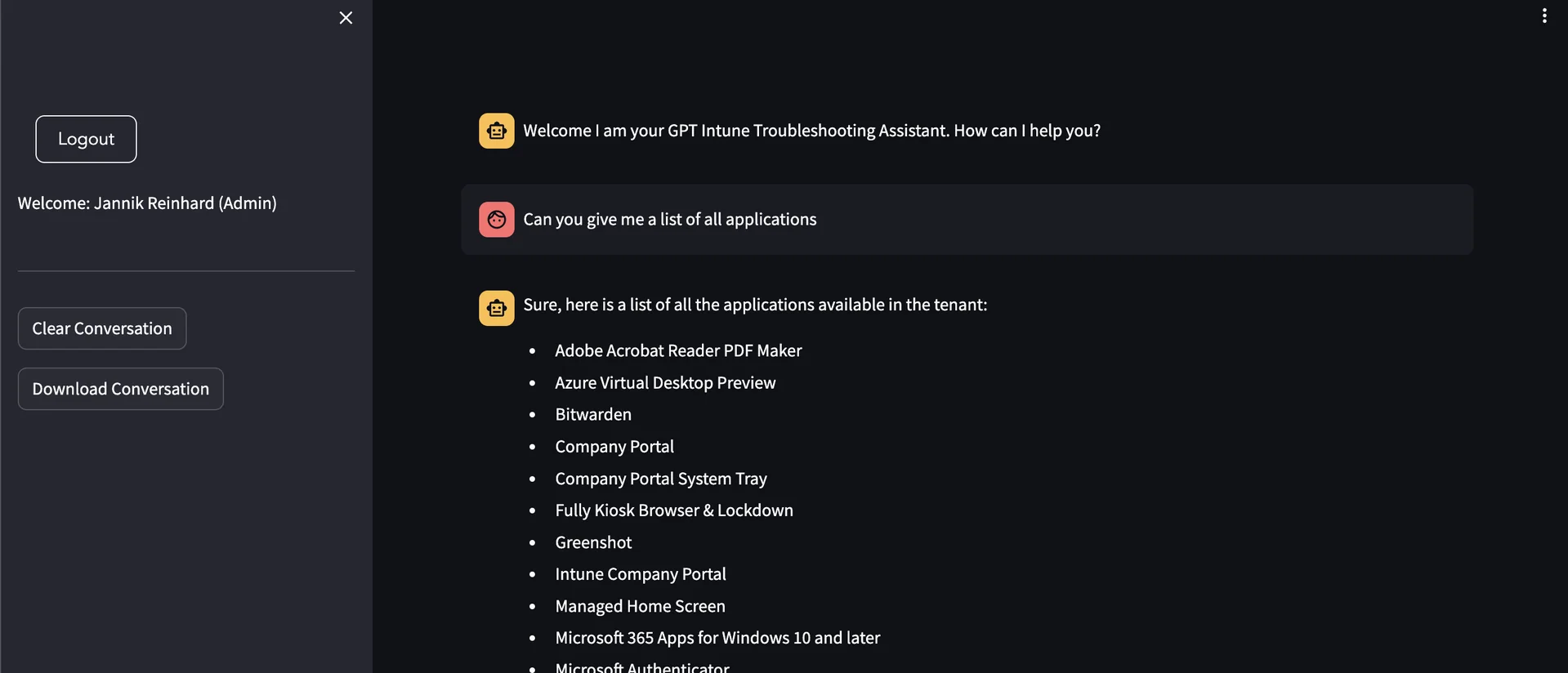
- Can you give me a list of all applications
- Can you show me a list in csv of all apps which are created later than 01.01.2022
- In which groups is XXXX? Can you give me the display name and the ids
How to create the app registration
- Open the Entra portal
- Select App registration
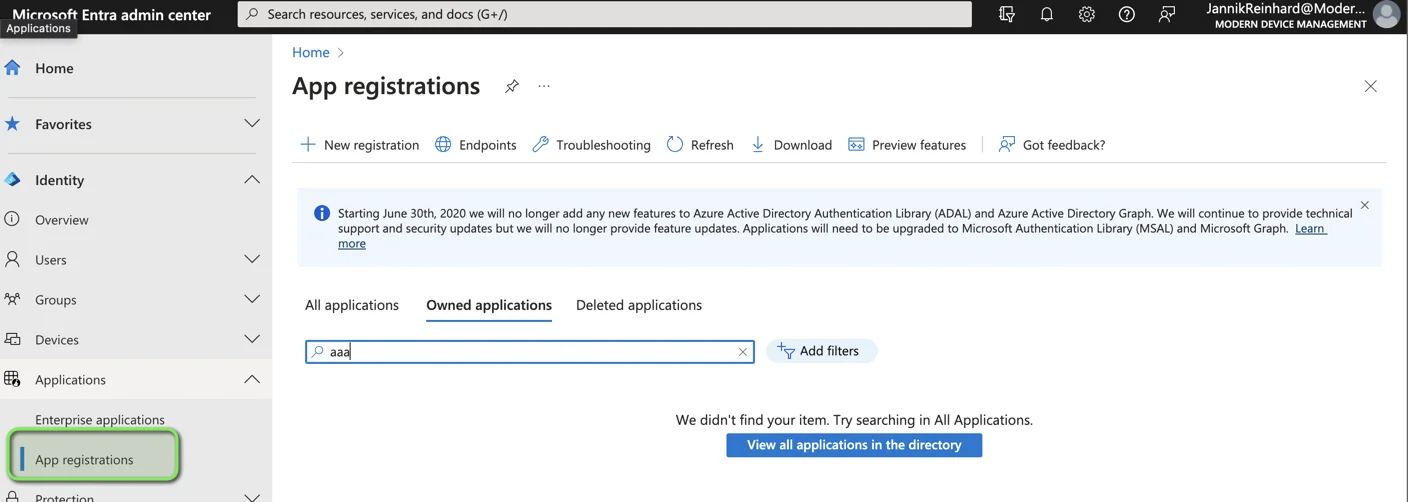
- Click + New registration
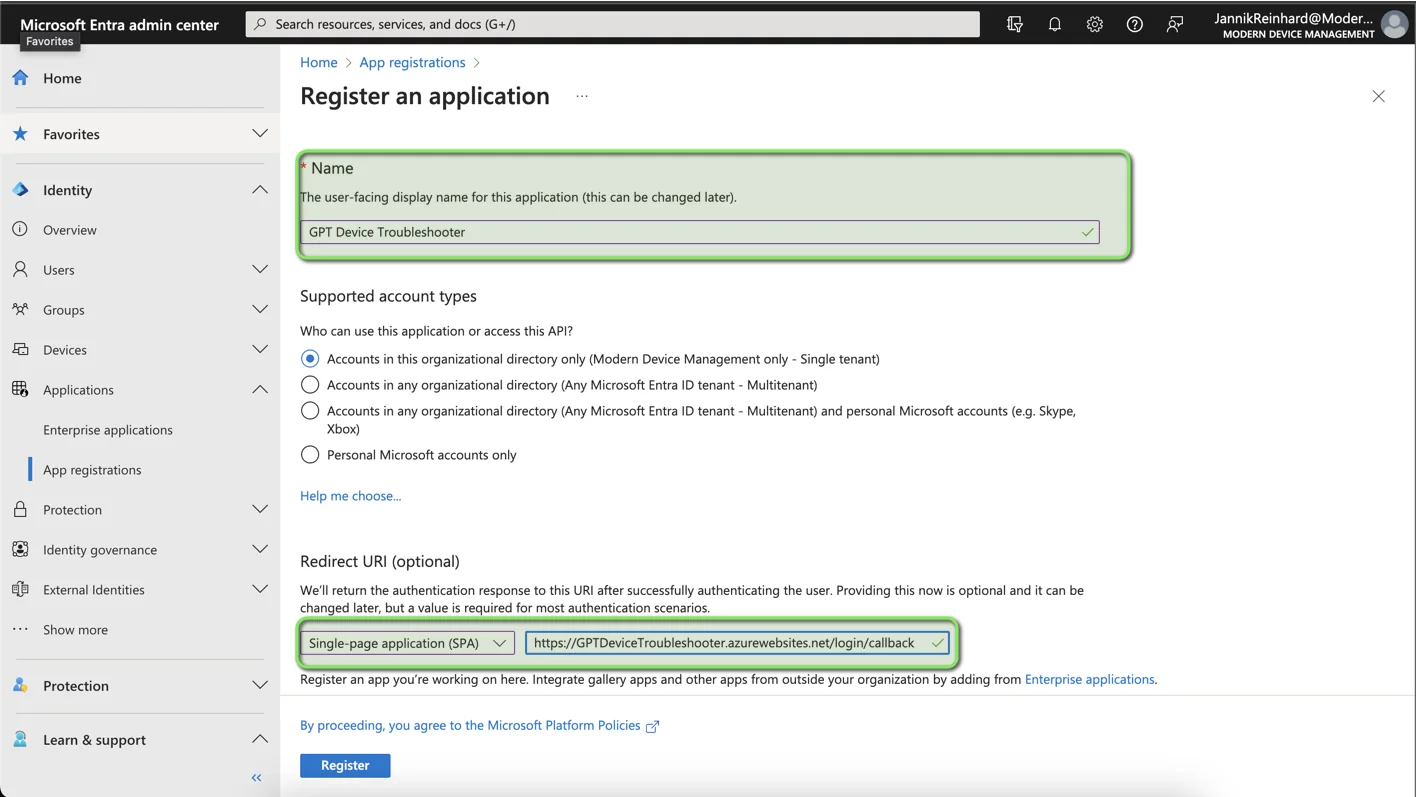
- Enter a name for the App registration
- Select Single-Page Application (SPA) as the redirect type
- Add
https://WEBPAGENAME.azurewebsites.net/login/callbackas Redirect URI
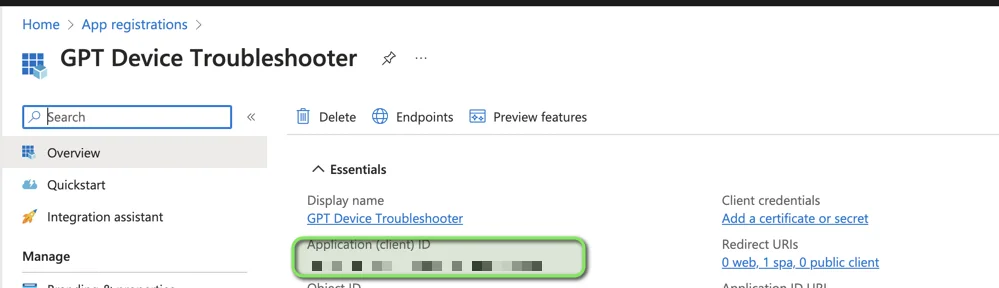
- Copy the App ID
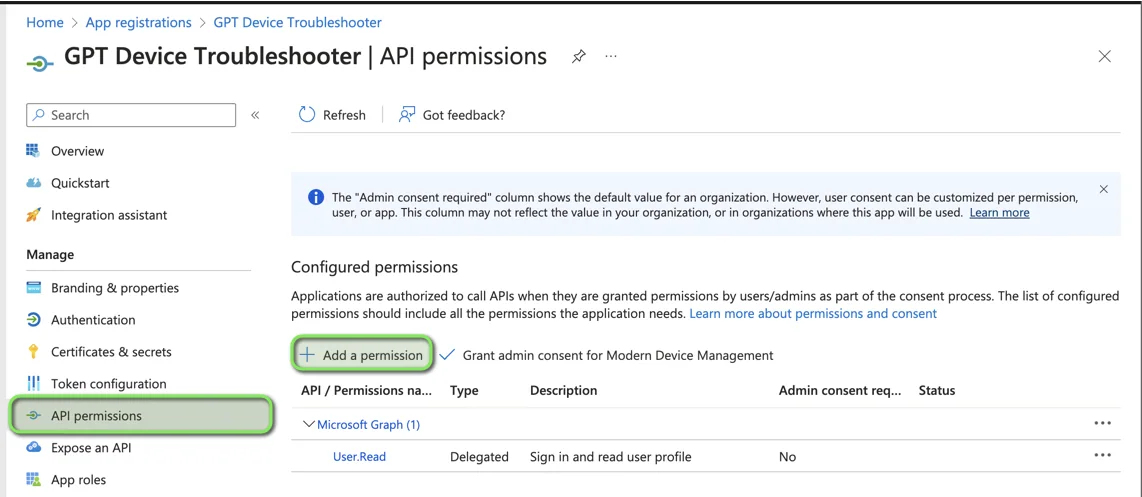
- Go to API permissions and click + Add a permission
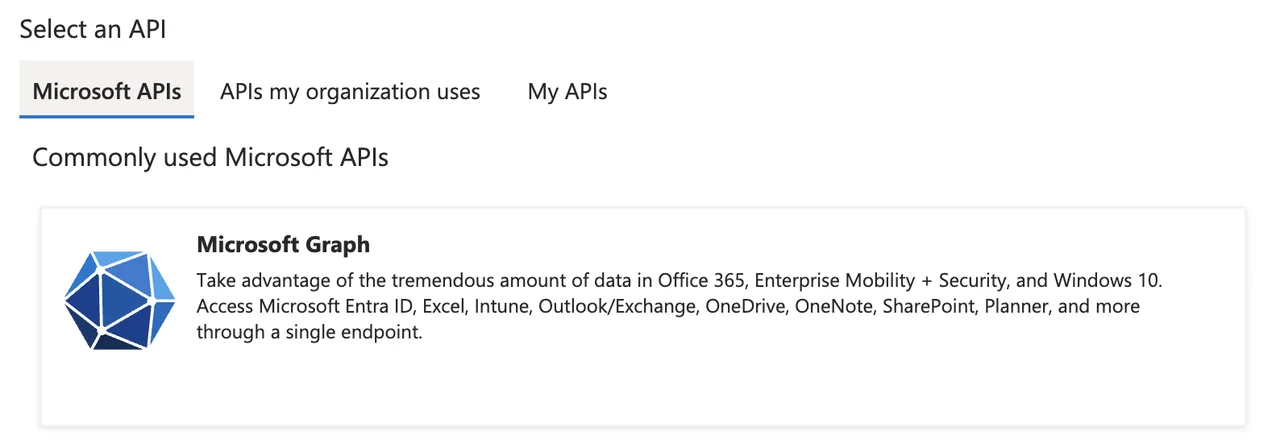
- Select Graph
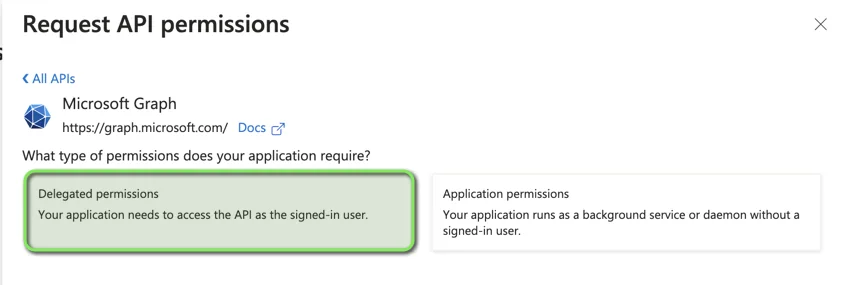
- Select Delegated permissions
- Add the following permissions (DeviceManagementConfiguration.Read.All, DeviceManagementManagedDevices.Read.All, DeviceManagementApps.Read.All, Group.Read.All, User.Read, Device.Read.All)
- Click Grant admin consent for XXX
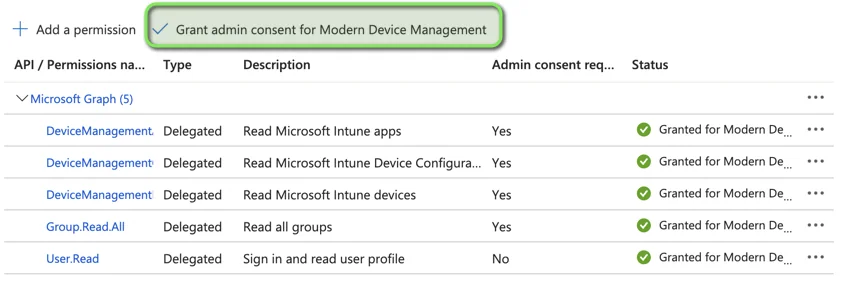
Post setup steps
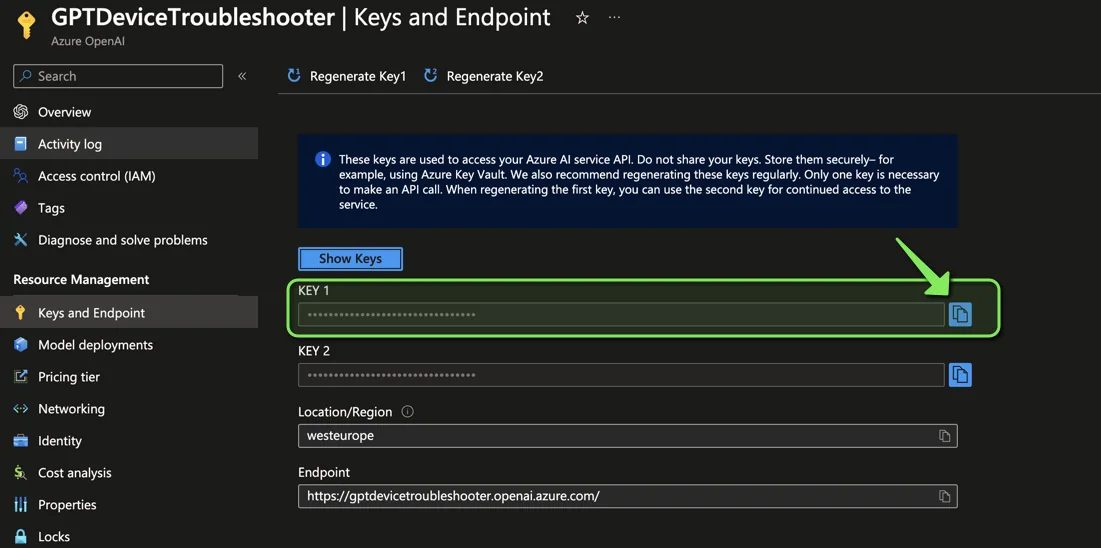
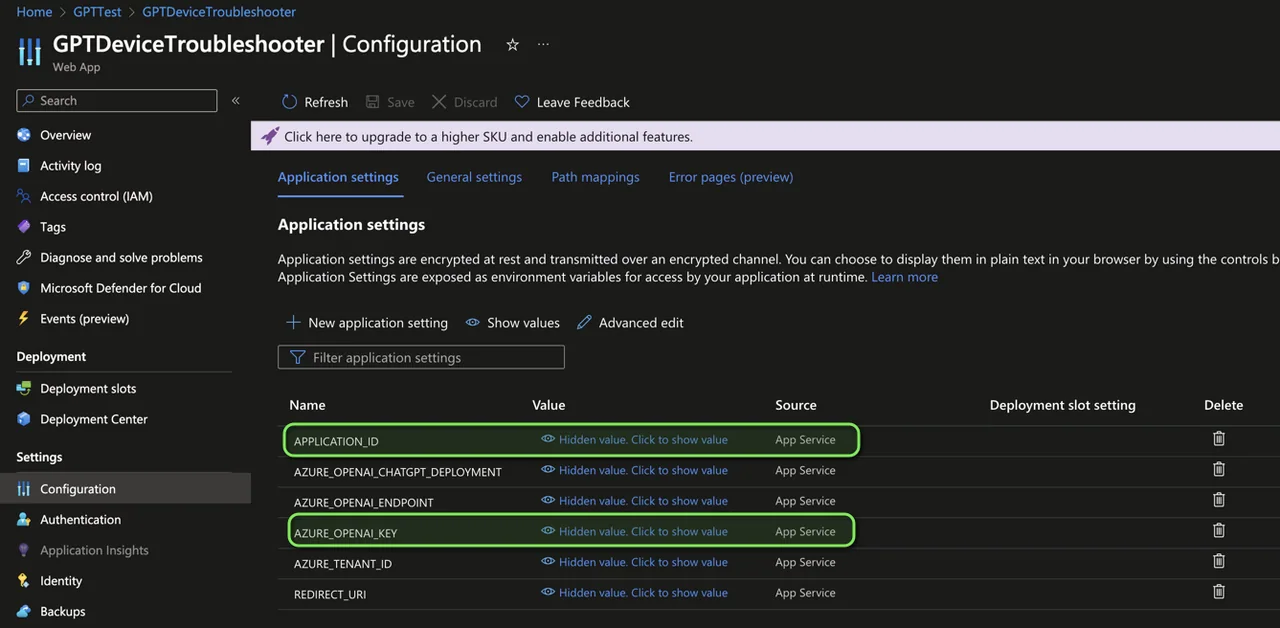
To finish wiring up the GPT Intune Device Troubleshooter, add the App ID and the secret from the Open AI Service to the variables in the App Service configuration.
- Open the Open AI Service
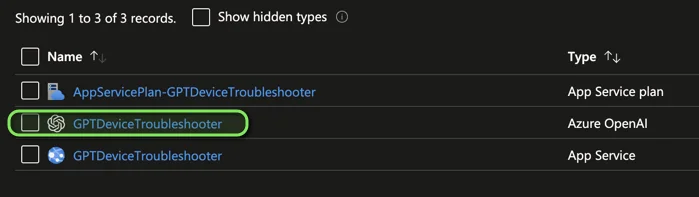
- Go to Keys and Endpoint
- Open the App Service
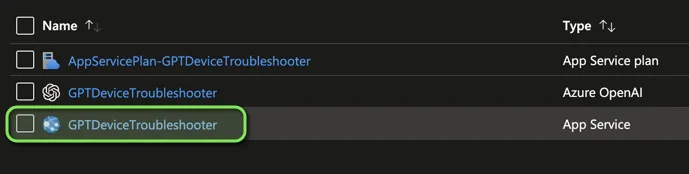
- Navigate to Configurations
- Fill in the Azure Open AI key and the App ID into the variables
How to open the Webpage
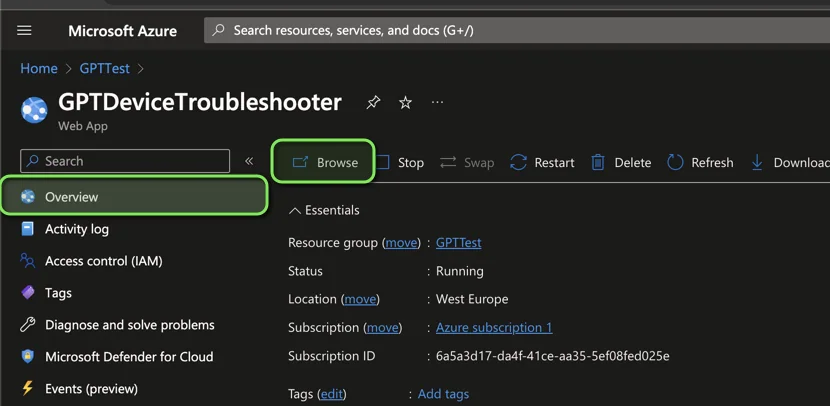
- Go to the App Service and Select Browse
How does the Tool work
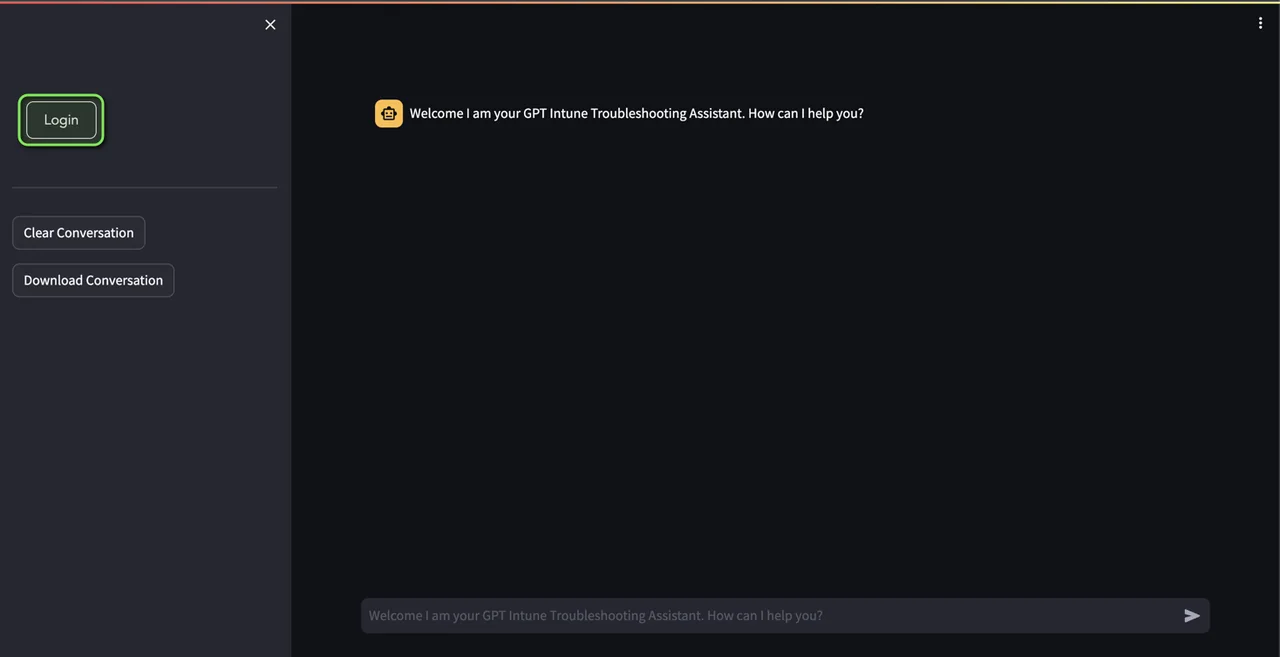
- Click on login to get a token to authenticate on Graph
- Insert your question in the chat box
How you can contribute?
The GPT Intune Device Troubleshooter is an open project, so it grows with your input. If you have ideas for improvements or for missing features as well as bugs, contact me via my blog, social media, or open an issue on the repository with a description of your idea. You can also create a merge request. I am happy for every contribution and feedback.
How does the roadmap look like?
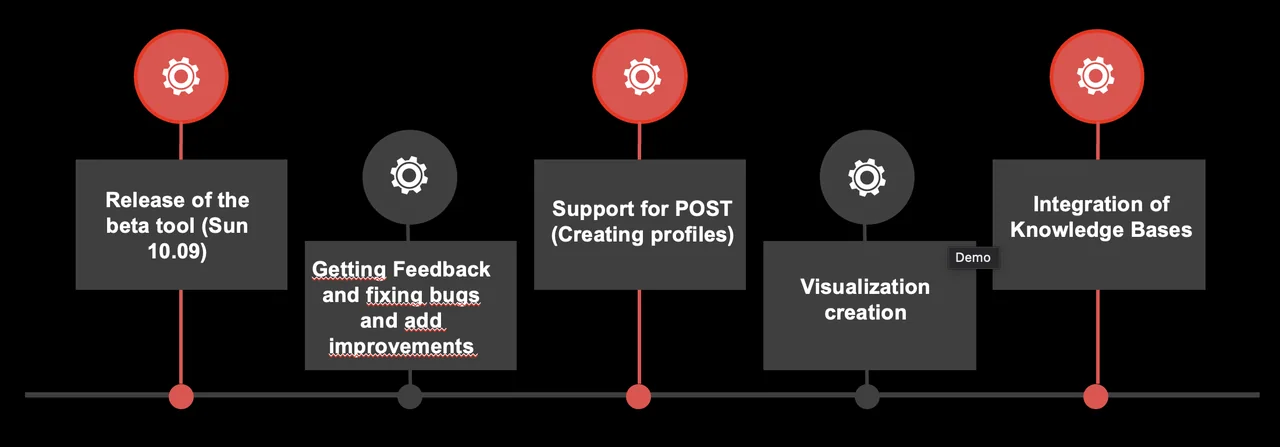
Please provide me with feedback. Based on your feedback, I will include and prioritize the features I add to the GPT Intune Device Troubleshooter next.