Microsoft IQ: The Intelligence Layer That Finally Makes AI Agents Useful

Let’s be honest: building AI agents in the enterprise has been a mess. You spend 80% of your time stitching together data sources, wrestling with RAG pipelines, and praying your agent doesn’t hallucinate the CEO’s name. Every new project feels like reinventing the wheel – but a wheel made of duct tape and hopes.

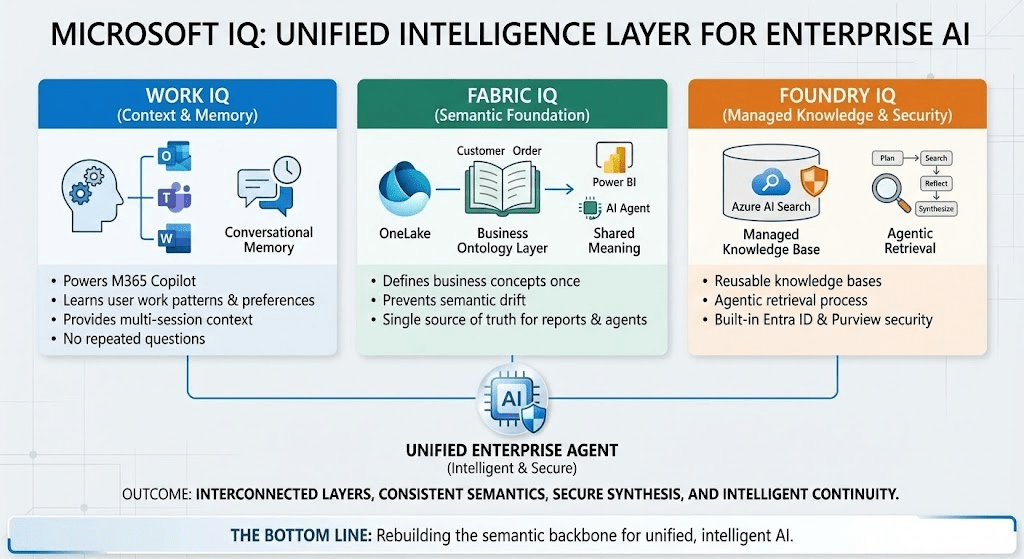
At Ignite 2025, Microsoft dropped something that might actually change this. They call it “IQ” – a unified intelligence layer that spans across Microsoft 365, Fabric, and Microsoft Foundry. And no, it’s not just another buzzword. Let me break down what this actually means for you.

Read More »

Document Manager: Using Azure AI Foundry or OpenAI for my paperless office

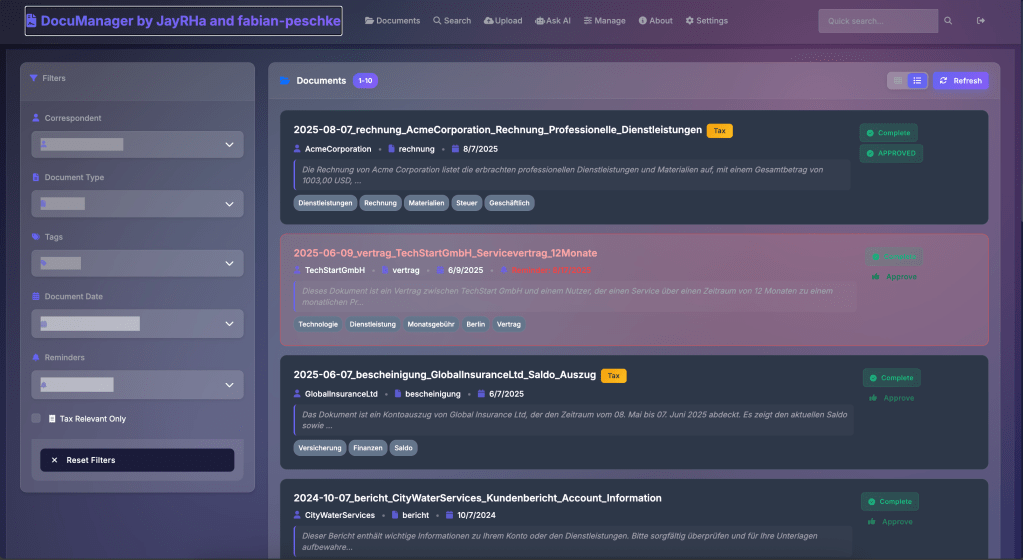
Let’s be honest: most document management systems feel like they’re stuck in 2005. I decide to move to an paperless office and scan all my documents. I tried multiple ways to realize this but I don`t find the tooling where I say I feel comfortable with and it saves me a lot of work in storing and retriving documents.

I wouldn’t be a developer or an AI MVP if I didn’t get stuck in and write my own tool. With Doc Manager, I demonstrate how to use Azure Open AI / AI Foundary to build a best-in-class document management system.

Read More »

One Toolkit, Three Outcomes: Meet the New Right Click Tools for SCCM/Intune Teams

If your day still looks like this—jumping between consoles, chasing patch gaps, and wrestling with standing local admin—your tools are slowing you down. The New Right Click Tools changes that by bringing patchingreporting/visibility, and privileged access together, built for SCCM/ConfigMgr and Intune realities.

Trusted across 60M+ endpoints, Right Click Tools is designed for modern endpoint management at scale—without adding another portal to learn.

Read More »

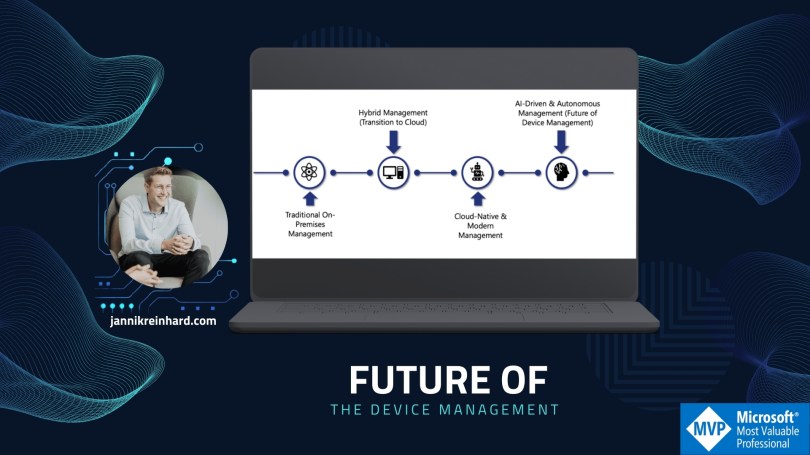
Let’s look in the future of device management

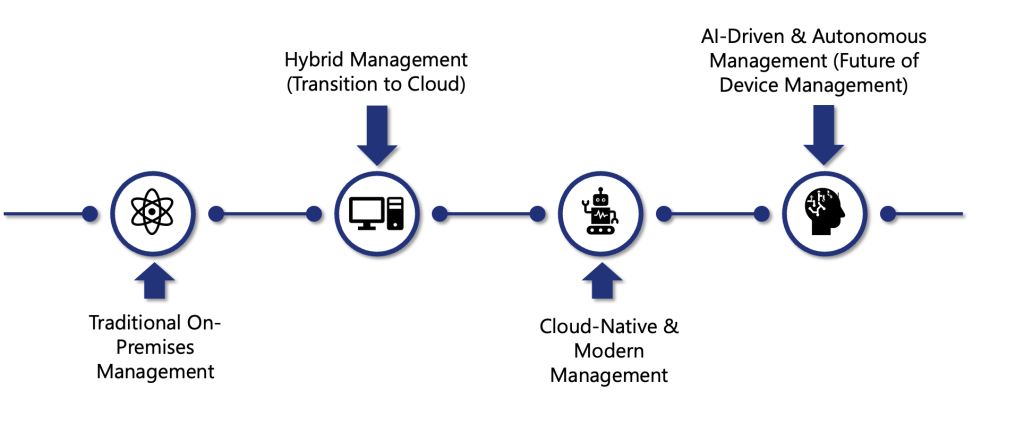
Endpoint management has come a long way from the days of manual, on-premises processes. In today’s world where employees work from home, on the road, or in branch offices—IT teams need tools that are not only powerful but also flexible and intelligent. Microsoft’s journey from Configuration Manager (SCCM) to Intune, and now toward AI-driven automation, shows how we can bridge legacy systems with cloud innovation to deliver seamless, secure, and proactive device management.

Read More »

Transform Application Management: Deploy Faster, Patch Smarter, and Simplify Your IT Stack with Application Workspace (Sponsor)

When application management works smoothly, everyone benefits: IT teams operate with fewer tickets, security stays tight, and employees remain productive. Yet for many organizations, keeping every device up to date, simplifying deployments for AVD/Citrix images, managing SSO across the environment, and supporting macOS without costly third-party solutions can feel overwhelming. Add in the need to handle custom, complex applications—where 80% of the workload often goes into just 20% of those installs—and application management becomes even more challenging.

Read More »

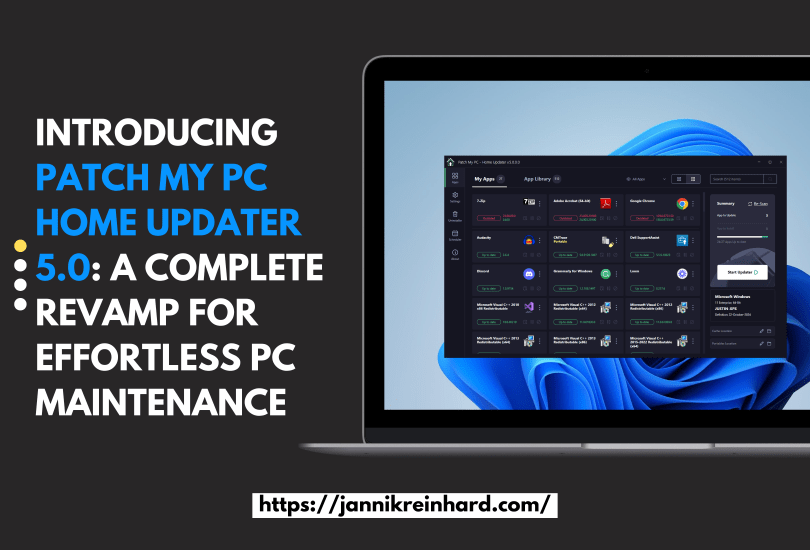
Introducing Patch My PC Home Updater 5.0: A Complete Revamp for Effortless PC Maintenance

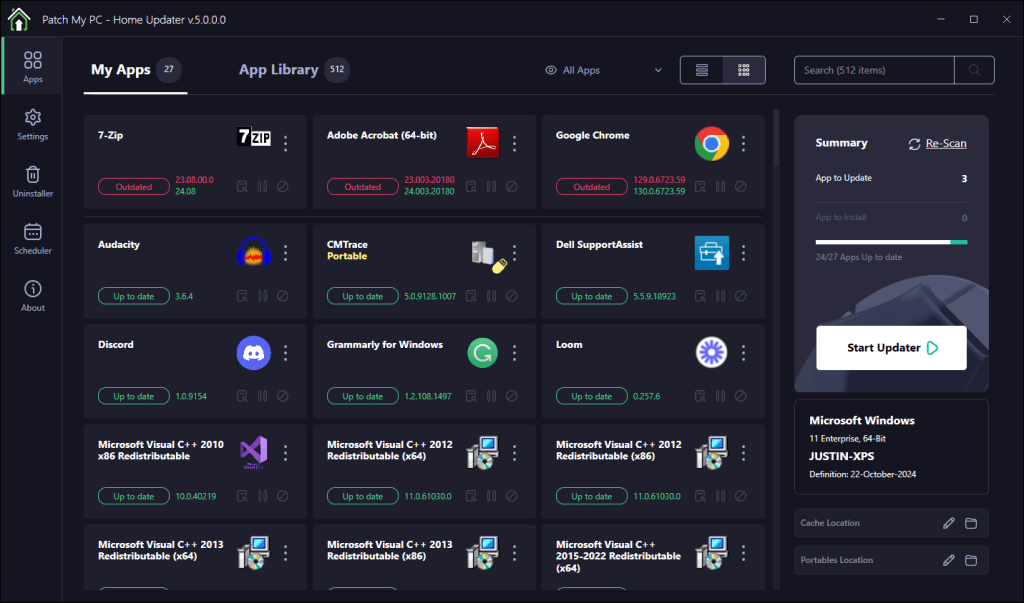
During the recent MMS conference, I had the opportunity to get an early look at the new Patch My PC Home Updater 5.0. Keeping your PC updated is crucial for security, performance, and accessing the latest features in your applications. In business environments, IT teams usually handle this task, but in our personal lives, it’s an important responsibility that often falls to us individually.

To simplify this process, Patch My PC offers a free tool designed to keep your home PC’s software up to date effortlessly. In this blog, I’ll walk you through how it works and what’s new in version 5.0.

Read More »

Converting Device Groups to User Groups (and Vice Versa) Using Microsoft Graph API

I currently attend at the MMS Fort Lauderdale conference, where an attendee asked an good question: Is it possible to convert a device group into a user group, and vice versa? The answer is both yes and no. While there’s no out-of-the-box functionality in Intune to achieve this directly, it is possible by leveraging the Microsoft Graph API.

Read More »